Olive biomass, derived from the residues of olive oil production, is a versatile and sustainable resource with numerous applications
By harnessing the full potential of olive biomass, we can promote sustainability, reduce waste, and support various industries with an eco-friendly resource.

Biomass Power Plants
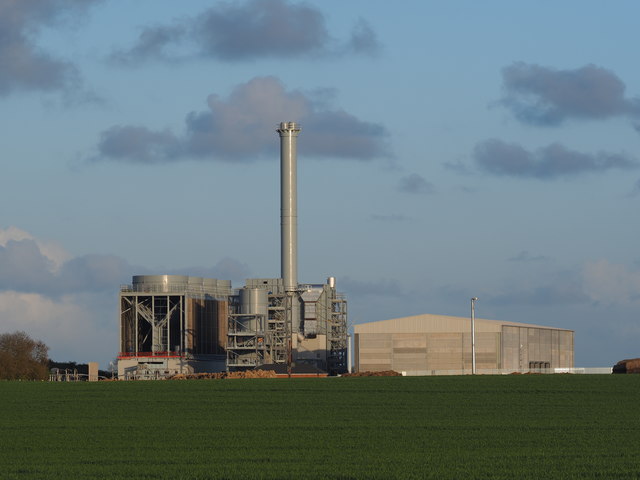
Large-scale power plants can utilize Olive Biomass as a feedstock to generate electricity. The biomass is burned to produce steam, which drives turbines to generate electricity, providing a renewable and sustainable energy source.

Industrial Heating
Multiple industries, such as cement production, bricks plants, and pharmaceuticals, can integrate Olive Biomass boilers into their processes to meet their heating needs sustainably.

Residential Heating
Residential properties and communities can use Olive Biomass in biomass boilers or stoves to heat homes and water. This offers a green heating solution, reducing the reliance on conventional fossil fuels.
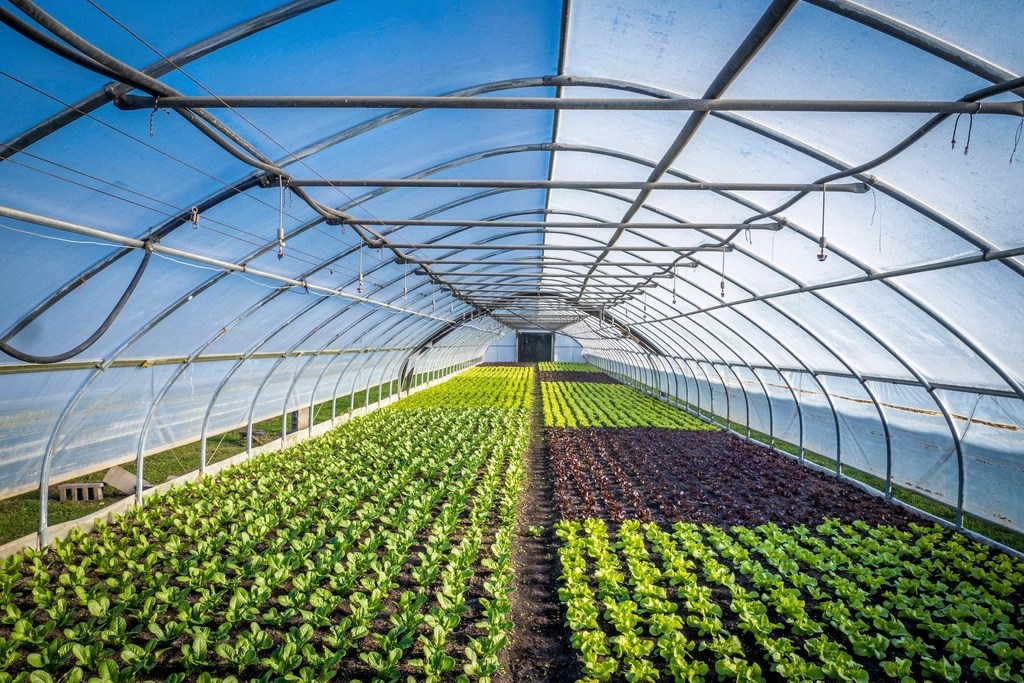
Agricultural Greenhouses
Greenhouses can utilize Olive Biomass boilers to provide the necessary heat and maintain optimal growing conditions for crops.

Sustainable Packaging
Eco-friendly and biodegradable packaging materials can be made from Olive Biomass derivatives as a sustainable raw material.

Renewable Energy
Renewable energy companies can integrate Olive Biomass into their portfolios, diversifying their sources of clean energy.
Collaborate with us
At MIT, we are a team of passionate individuals driven by a shared commitment to environmental sustainability and renewable energy solutions.
Our expertise lies in the trading and distribution of olive biomass, which includes various organic residues generated during olive oil production, such as olive cake, olive pits, olive tree charcoal and Olive Mill wastewater.
 Olive Biomass